Permits for wedding flowers on public sites Kentish Town
Posted on 11/10/2026
Permits for wedding flowers on public sites Kentish Town: what to know before you decorate
If you are planning wedding flowers on a public site in Kentish Town, the permit side of things can catch you out fast. The flowers may be the lovely part - the bit everyone remembers in photos, the scent when guests arrive, the soft colour against brick, trees, or railings - but public spaces often come with rules. Permits for wedding flowers on public sites Kentish Town are there to keep everyone safe, protect the area, and make sure your plans do not get halted on the day. In practice, that means checking permissions early, understanding what kind of display you want, and knowing who is responsible for approvals, delivery, and removal.
This guide walks through the process in plain English. You will find out why permits matter, how they usually work, who needs them, what mistakes to avoid, and how to plan a floral setup that feels beautiful without becoming a headache. We will also look at practical options, compliance points, and a simple checklist you can use before the big day. Truth be told, it is much easier to sort this out calmly a few weeks ahead than to be standing there at 8 a.m. wondering whether the florist can place an arch where you imagined it.
- Why permits matter in Kentish Town
- How the permit process works
- Benefits of getting it right early
- Who actually needs a permit
- Step-by-step guidance
- Expert tips for smoother planning
- Common mistakes to avoid
- Useful tools and resources
- Compliance and best practice
- Options and comparison table
- Real-world example
- Practical checklist
- Frequently asked questions
Why Permits for wedding flowers on public sites Kentish Town Matters
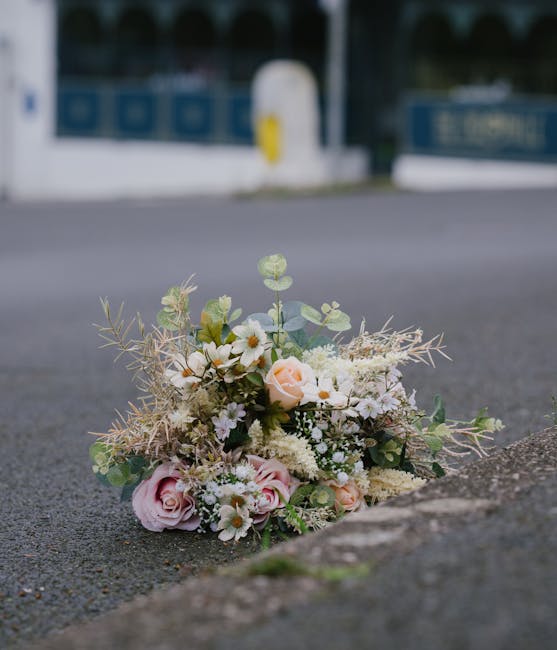
Public sites are not the same as private venues. A park path, a rail-side frontage, a square, a pavement edge, or a public garden area may look perfect for wedding flowers, but those places are usually managed for general use rather than one event. That is why permission matters. A permit helps confirm whether your floral plan is allowed, where items can go, what time they can be installed, and whether anything needs to be removed the same day.
For wedding flowers, the issue is not just aesthetics. Large arrangements can block access, obstruct sightlines, damage grass or planting, or create trip hazards if stands, cables, water containers, or decor props are used. Even smaller details, like confetti-style petals or tied floral pieces, can be questioned if the site has strict rules on litter, wildlife, or cleaning. Let's face it, public spaces have to work for a lot of people, not just one ceremony. That is where careful planning saves the day.
In Kentish Town specifically, you may be dealing with a mix of civic spaces, outdoor ceremony spots, and busy urban footfall. That means your florist, planner, or couple may need to think a bit like logistics coordinators as well as stylists. It sounds less romantic than it is. But once sorted, the whole thing feels calmer and more polished.
Expert summary: If your wedding flowers will be placed, fixed, hung, or displayed in any public area, check permission first. The earlier you do it, the easier it is to adapt the design if the site has restrictions.
If you are also considering wedding flower styling more broadly, it can help to review a dedicated wedding flowers Kentish Town page to understand how bouquets, buttonholes, table arrangements, and larger floral pieces can be coordinated as one plan.
How Permits for wedding flowers on public sites Kentish Town Works
The exact route depends on the site owner or manager, but the logic is usually similar. You identify the public site, describe the floral setup, ask what permission is needed, and provide enough detail for a decision. Sometimes this is handled directly by the site operator. Sometimes a council, events team, estate manager, or parks department is involved. Occasionally more than one party needs to sign off. Nice and simple... until it is not.
Most permit checks will focus on a few practical questions:
- Where exactly will the flowers be placed?
- Are they freestanding, tied, pinned, fixed, or suspended?
- How large is the display?
- Will it affect the public pathway, a bench, railing, gate, entrance, or planting bed?
- How long will it stay in place?
- Who will install and remove it?
- Is there any risk to the site, visitors, or wildlife?
Sometimes a simple bouquet or hand-tied floral accent may not need a formal permit if it stays within a private ceremony area. But once you move into public ground, public entrances, decorative arches, hanging pieces, or any arrangement that changes the space, the question becomes more serious. You do not want to assume. Assumptions are the sneaky bit that causes last-minute stress.
There is also a practical timing element. Popular wedding dates can be busy, and some public sites need notice well in advance. If your florist is arranging delivery, you should coordinate the permit timeline with the flower timeline. Cut blooms do not enjoy waiting around in the back of a van on a warm afternoon, and the site team will not want the setup happening in a rush either.
If you need same-day or next-day support for parts of your wedding order, it can help to understand local delivery timing through services like flower delivery Kentish NW5 and same-day flower delivery Kentish NW5, especially if you are working around a permit window.
Typical information you may need to provide
Even when the process is informal, having the right details ready makes approval smoother:
- event date and time
- site name and exact location
- photographs or a simple layout sketch
- flower type and structure size
- installation method
- removal plan
- public access considerations
- insurance details if requested
That last point often surprises people. A site manager may ask about public liability insurance, or at least want reassurance that the setup will be handled by a competent professional. Reasonable enough, really.
Key Benefits and Practical Advantages
Getting the permit side sorted early does more than keep you compliant. It makes the whole wedding planning process smoother. You know what is allowed, the florist can design accordingly, and there are fewer moving parts on the day. That kind of confidence is worth a lot when emotions are running high and there are already enough decisions to make.
Here are the main advantages:
- Fewer surprises: You are less likely to discover a restriction after the flowers have been made.
- Better design fit: The floral plan can match the site rules instead of fighting them.
- Smoother delivery: Timed installation is easier when permissions are agreed.
- Less risk of damage or dispute: Clear permissions reduce the chance of objections from site staff.
- More confidence for everyone involved: Your florist, planner, and family can work from the same expectations.
There is a quieter benefit too: the flowers often look better when they have been planned for the space rather than simply placed in it. A delicate arrangement beside a stone entrance, a low design that does not block views, or a coordinated colour palette that suits the surroundings can feel more elegant than a larger arrangement forced into the wrong spot.
If budget matters, it is also worth comparing styles. A smaller but well-placed design can often have more visual impact than a massive display that needs extra permissions, extra labour, and extra setup time. In a city setting, restraint can be the prettier option. Strange, but true.
Who This Is For and When It Makes Sense
This topic matters for couples, planners, florists, and families arranging a wedding in or around Kentish Town. It is especially relevant if the flowers will be used outside a private venue boundary. Think public gardens, shared pathways, memorial-adjacent spaces, civic entrances, open-air ceremony spots, or any location where the public can reasonably pass through.
You will probably need to look closely at permissions if you are planning any of the following:
- a floral arch or frame in a public-facing area
- aisle flowers on public ground
- large tied displays on railings, posts, or gates
- decorative items fixed to trees, benches, or furniture
- petal paths, ground arrangements, or scatter-style floral designs
- temporary signs or props surrounded by flowers
It makes sense too if your day has a tight schedule and you need every supplier to know exactly when and where they can work. A florist can create a beautiful result, but they still need space, access, and time. If vehicles must unload from the street, or if the flowers need to be carried a short distance through public space, permissions and logistics become linked.
For couples who are trying to make one day feel personal without overcomplicating everything, this is also a good moment to choose a reliable local florist and keep the plan streamlined. If you want a broader sense of the range available locally, the Kentish Town florist and flower shops NW5 pages can be useful starting points.
Step-by-Step Guidance
Here is a practical way to handle permits for wedding flowers on public sites Kentish Town without turning it into a full-time job. Keep it simple, but be thorough. That balance matters.
- Identify the exact site. Be specific. "Near the park" is too vague. "The public path by the entrance" or "the corner by the pavilion" is better.
- Work out what the flowers will do in the space. Will they sit on a table, stand on the ground, hang overhead, or be attached to something? Different methods can trigger different rules.
- Contact the site manager or permissions contact. Ask whether a permit is needed and what supporting information they want.
- Prepare a simple plan. Include dimensions, install time, removal time, and photos or sketches if possible.
- Check access and load-in. Think about parking, unloading, lift access, and whether the florist has a realistic route.
- Confirm insurance or risk paperwork if requested. Not every site asks for it, but many public locations expect some reassurance.
- Get written approval. Email confirmation is better than a phone memory. Honestly, memory has a habit of changing shape by Friday.
- Share the final plan with the florist. Make sure the design, size, and timing match the permission you actually have.
- Plan removal. Know when flowers need to come down and who is responsible for collecting everything.
- Keep a backup option. If the site says no to something large, have a simpler design ready.
One useful trick: build your floral plan from the permission backwards. Instead of asking "what can we put here?" ask "what is definitely allowed here?" That small change often saves time and prevents disappointment.
Expert Tips for Better Results
Experienced florists and planners tend to think in layers: beauty first, yes, but also weather, transport, structure, and removal. That is where the smoother weddings happen. Here are the points that tend to matter most in real life.
Keep the design friendly to the space
Public sites often look best with arrangements that complement the surroundings rather than overpower them. In a smaller Kentish Town location, low designs, hand-tied pieces, and compact focal points can feel more refined than something huge and heavy.
Think about wind, rain, and footfall
Outdoor floral pieces need a bit of weather sense. A sunny morning can become a breezy afternoon in no time, and wet surfaces can change how a display is secured. If guests will be walking close by, avoid anything that narrows the route.
Use flowers that travel well
Some blooms are more resilient than others. If the permit process means a longer setup window, ask for flowers and mechanics that hold shape well. Locally, many couples choose a mix of reliable structure flowers and softer accent blooms so the arrangement still looks fresh later in the day.
Make removal easy
Anything hard to unfasten, heavy to lift, or awkward to dismantle becomes a problem at the end of the day. A clean removal plan is underrated. Nobody wants a midnight faff with cable ties and tangled ribbon.
Match flowers to the tone of the location
Public sites in Kentish Town can vary from leafy and calm to urban and lively. White, blush, green, and soft seasonal mixes often work well, but there is no rule that says you must keep it muted. A brighter palette can be lovely too, as long as it suits the venue and does not clash with the environment.
If you are choosing bridal, bridesmaid, or groom florals alongside your site decor, browsing dedicated categories like wedding bridal bouquets, wedding bridesmaid bouquets, and wedding buttonholes can help keep the style consistent.

Common Mistakes to Avoid
The most common problems are not dramatic. They are the kind that seem small until the day arrives. A quick list helps here.
- Assuming public space means free use: It usually does not.
- Leaving permission until the last minute: Some sites need time to review and approve.
- Not measuring the display: "Small" means different things to different people.
- Forgetting access routes: A beautiful design that cannot be carried in is not much use.
- Skipping removal planning: Public spaces often require everything to be taken away promptly.
- Using overly fixed installations without approval: Tying, pinning, or attaching decor can be restricted.
- Ignoring insurance or safety questions: These are usually asked for a reason.
- Choosing flowers that look good only in a vase: Some arrangements need better support outdoors or in transit.
Another subtle mistake is letting the floral design drift away from the approved plan. A florist might understandably get creative, but if the agreement was for a compact ground arrangement, a wider display can create issues. Keep the design true to what was approved. It sounds obvious, but it happens.
Tools, Resources and Recommendations
You do not need a mountain of paperwork to handle this well. You do need a few practical tools and a clear process. A simple checklist, a phone camera, a couple of measurements, and one shared email thread can do more than a fancy spreadsheet ever will.
Helpful items include:
- Site photos: Take wide shots and close-ups of the exact area.
- Basic measurements: Width, height, and depth help everyone picture the display.
- Simple sketch or floor plan: A rough diagram is often enough.
- Installation timeline: Note when the florist arrives, where they park, and when the flowers must be ready.
- Removal plan: Who clears what, and by when.
- Flower care notes: Keep arrangements fresh while they wait to be installed.
For care and handling after delivery, the flower care page can be useful, especially if your flowers are being stored briefly before setup. If you are comparing delivery timing around the event, the delivery information may also help you coordinate the practical side.
As a recommendation, choose a florist who is comfortable with event work rather than only everyday bouquet orders. Weddings in public spaces need a bit more coordination. Not always more flowers - just more coordination.
If you want broader wedding presentation ideas, browsing the weddings collection and related items such as wedding table arrangements and wedding corsages can help you see how the full floral story fits together.
Law, Compliance, Standards, or Best Practice
This is the section where caution matters. Public-site flower permits are not one single UK-wide rule. The actual requirements depend on the site owner, the local authority, the land manager, and the specifics of the installation. So, rather than guessing, treat the permit as a site-specific approval process and follow the instructions you are given.
In general, best practice usually includes:
- getting written permission before installation
- using non-damaging fixing methods unless explicitly approved otherwise
- keeping access routes clear for the public
- ensuring the setup is stable and weather-aware
- removing all materials on time
- avoiding anything that could create litter, trip hazards, or block emergency access
If the site asks for risk information, handle that seriously. Even a simple floral arch can become a safety issue if it is poorly weighted or positioned. Likewise, any floral pieces near roads, entrances, or busy footpaths need extra thought. Compliance here is less about box-ticking and more about common sense done properly.
For local customers, it is also worth checking the website's service policies and business information before you order. Useful pages include guarantees, returns and refund, terms and conditions, and contact us. They do not replace site permission, of course, but they do help set expectations around the order itself.
For sustainability-minded couples, floral waste, packaging, and reuse are worth considering too. The sustainability information gives a sense of how a florist thinks about materials, which can matter when your wedding is using flowers in a public setting and you want to keep the footprint sensible.
Options, Methods, or Comparison Table
There are a few common ways to approach wedding flowers on public sites. The right one depends on the location, the permit rules, and how much visual impact you want.
| Method | Best for | Permission complexity | Practical notes |
|---|---|---|---|
| Hand-tied bouquets and personal flowers | Brides, bridesmaids, buttonholes, simple ceremonies | Low | Usually the easiest option if flowers stay with guests or inside a private area. |
| Freestanding floral arrangement | Entrance features, aisle ends, welcome moments | Medium | Needs placement clarity, stability, and a removal plan. |
| Floral arch or frame | Statement ceremonies and photo moments | Medium to high | Often requires more detailed approval because of size and fixing methods. |
| Ground or path-side styling | Romantic ceremony routes and photo backdrops | Medium to high | May raise access, trip hazard, and cleaning questions. |
| Attached decor on railings, posts, or structures | Urban or architectural settings | High | Often the most restricted because of damage and safety concerns. |
If you are unsure which path to take, the safer route is usually the simplest one that still gives you the look you want. A refined arrangement in the right place can beat an oversized structure every time. More is not always more. There, I said it.
Case Study or Real-World Example
Here is a realistic example based on the kind of planning couples often face. A couple wanted wedding flowers for a small public-facing ceremony spot in Kentish Town, with a floral feature near the entrance and a few coordinated bouquets for the wedding party. The initial idea was a large arch placed right on the public approach path. Beautiful idea, but it would have narrowed the route and likely needed more permissions than they had time for.
After checking the site guidance, they scaled the design down. The florist created a freestanding focal arrangement positioned just inside the approved area, using sturdy mechanics and a colour palette that matched the building stone and greenery nearby. The bridesmaids carried smaller bouquets, buttonholes were kept consistent, and the ceremony space still photographed beautifully. The best part? Setup was calm. No last-minute debate, no awkward repositioning, no one blocking the path while guests arrived.
That is the pattern you see again and again. The original idea may be bigger, but the approved version often becomes more elegant because it works with the space instead of against it.
Practical Checklist
Use this checklist before you finalise permits for wedding flowers on public sites Kentish Town:
- Have you identified the exact public site and the specific flower location?
- Do you know whether a permit or written permission is required?
- Have you described the size, method, and duration of the floral display?
- Have you checked whether fixing to public structures is allowed?
- Do you have install and removal times agreed?
- Has someone been assigned to transport, place, and remove the flowers?
- Have you shared access details with the florist?
- Do you know whether insurance or risk information is needed?
- Are the flowers suitable for the weather and the time they will be out?
- Does the final design match the approved plan exactly?
- Have you confirmed what happens if the site says no to a larger installation?
- Have you kept a copy of the approval or email confirmation?
Quick reminder: the simpler the setup, the easier the day usually feels. Not always, but often enough to matter.
Conclusion
Permits for wedding flowers on public sites Kentish Town may not be the glamorous part of wedding planning, but they are one of the parts that protects your day from avoidable stress. Once you know what the site allows, your florist can design with confidence, your timing becomes clearer, and your flowers are far more likely to look exactly as intended when guests arrive.
Think of it as the quiet groundwork behind the beauty. A little paperwork, a few measurements, a bit of planning - then the good bit starts. The flowers, the photos, the moment when everybody pauses for a second and it just feels right.
If you are choosing arrangements now, comparing options, or trying to make a public-site wedding feel effortless, it is worth sorting the practical side early and keeping your design focused, graceful, and site-friendly. That is usually where the magic lives.
Get a free quote today and see how much you can save.
Frequently Asked Questions
Do I always need a permit for wedding flowers on a public site in Kentish Town?
Not always, but you should never assume you do not need one. Smaller personal flowers may be fine, while anything placed, fixed, suspended, or set out in a public area often needs permission. The site owner or manager is the best source for the final answer.
Who usually grants permission for public-site wedding flowers?
It depends on the exact location. The permission may come from a council team, parks manager, venue operator, estate manager, or another landowner. In some cases more than one party has to agree, which is why early checking matters.
How far in advance should I ask about permits?
As early as you can, ideally once your date and location are fixed. Public sites can take time to review plans, and if your flowers need installation windows or access arrangements, you do not want to leave that to the last minute.
What details should I include when asking for approval?
Give the site name, the exact placement area, dimensions, type of floral display, installation method, removal timing, and any access or insurance details requested. A photo or rough sketch often helps more than people expect.
Can a florist install flowers on public railings or gates?
Sometimes, but only if the site owner allows it. Attachment to public structures can be restricted because of damage, safety, or access concerns. Never assume railings or gates are available for decor.
Are floral arches more difficult to permit?
Usually yes, because they are larger, more visible, and more likely to affect access or stability. That does not mean they are impossible. It just means the site may want more information before agreeing.
Do I need insurance for wedding flowers in a public space?
Sometimes. Some sites ask for proof of public liability insurance or other reassurance, especially for larger displays. Even if it is not requested, using a competent professional and a safe setup is still the sensible standard.
What happens if the site says no to my original floral plan?
Then you adapt. Often the answer is a smaller arrangement, a different placement, or a freestanding design instead of a fixed one. Having a backup plan keeps the day moving and avoids disappointment.
Can I use petals on the ground in a public area?
Maybe, but check first. Ground scatter can create cleaning issues, accessibility concerns, or trip hazards, and some sites do not allow loose petals or confetti-style floral decor in public spaces.
What is the safest floral option if I am unsure about permissions?
Smaller, portable arrangements such as bouquets, buttonholes, and compact freestanding pieces are often the least complicated. They are easier to install, easier to remove, and less likely to interfere with the public area.
How do I keep wedding flowers fresh if installation is delayed?
Plan for proper flower care, shade, water where appropriate, and a realistic delivery window. If there is any delay risk, coordinate timing with your florist so the blooms are not sitting in heat or direct sun for too long.
Is a public-site floral display worth the extra planning?
For many couples, yes. When it is done well, the result feels personal and beautiful without overwhelming the location. The key is to keep the design realistic for the space and respect the permit process from the start.